
Running a small business today means picking where to put your video energy, and two names keep coming up in almost every conversation. Instagram Reels and YouTube Shorts both let you post short, vertical clips for free, and both can put your brand in front of thousands of new eyes in a single afternoon. They are not the same tool wearing two different logos, though. This guide walks through Instagram Reels vs YouTube Shorts for business in plain terms, covering exact size limits, real reach numbers, download tools, monetization rules, and the everyday mistakes that quietly waste a marketing budget.
Rass E-Vision produces and edits short-form video for clients across retail, real estate, and fitness, so the comparisons below come from actual client accounts rather than guesswork.
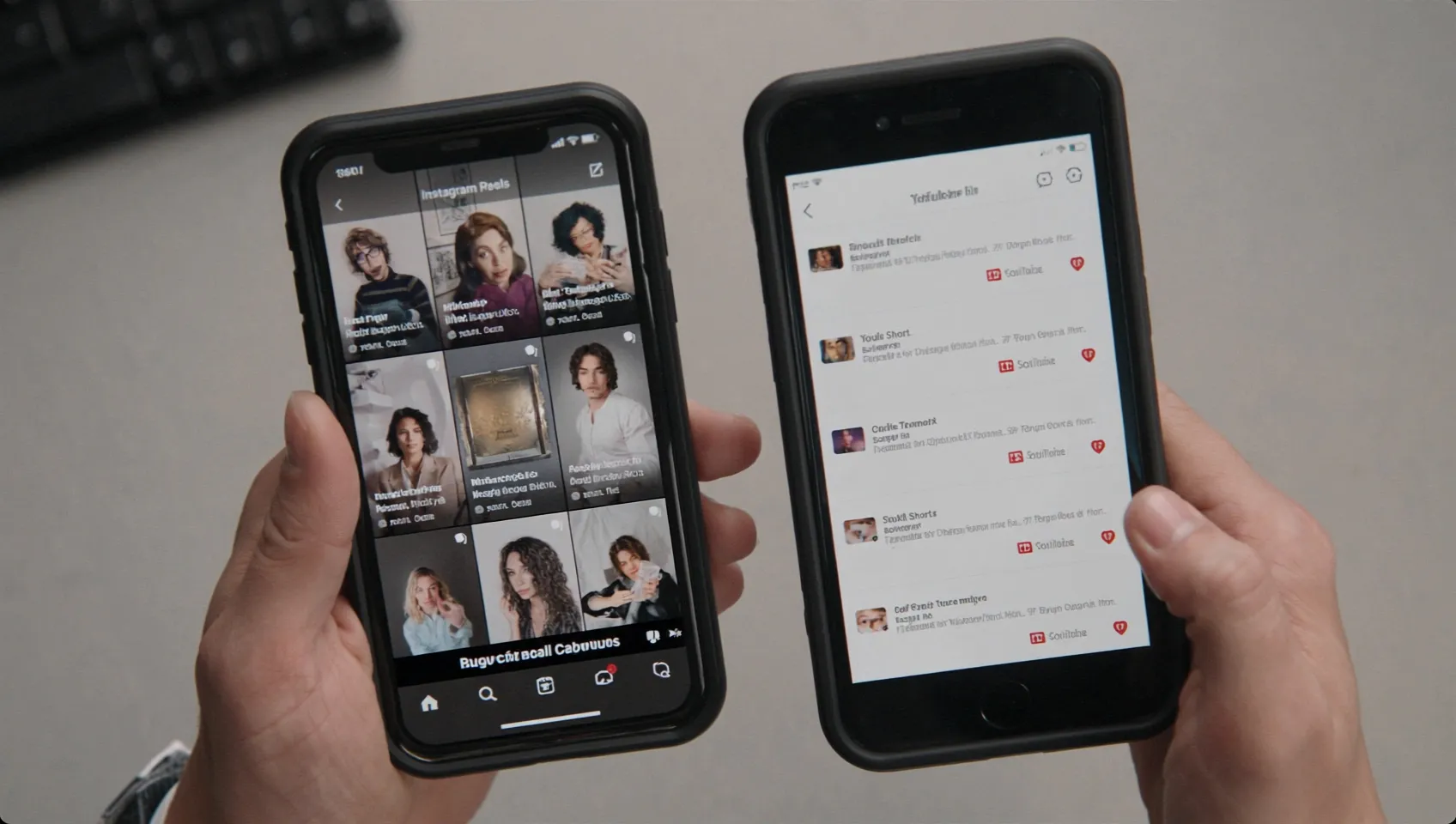
Why This Comparison Matters For You
A five-minute filming session can become a Reel, a Short, or both, so the real question is not which platform is "better" in some abstract sense, but which one moves your specific business goal forward faster. A boutique chasing local foot traffic needs different reach than a software company chasing demo signups, and Instagram Reels vs YouTube Shorts for business plays out differently depending on the goal.
Both platforms sit inside the same short-form video wave, and neither Meta nor Google is slowing that trend down. What changes is who is watching, how videos get discovered, and what happens to your view count months after you hit publish, three differences this guide unpacks next.
How Instagram Reels Video Grabs Attention
An Instagram Reels video lives inside an app people already open to check on friends, brands they follow, and shopping recommendations. Someone scrolling Reels is usually in a browsing mood, and that single fact shapes most of the Instagram Reels vs YouTube Shorts for business decision. Reels suit product demonstrations, behind-the-scenes clips, and quick style videos that feel native to the feed rather than an ad interruption.
Instagram Reels also benefit from Instagram's existing shopping tools. A Reel can carry a tagged product and a direct message button without ever sending a viewer off the app, turning an Instagram Reels video into a shortened path from discovery to purchase, something Instagram Reels vs YouTube Shorts for business comparisons often undersell.
Why YouTube Shorts Video Performs Differently
A YouTube Shorts video sits inside a platform people open specifically to watch something, not to check messages or browse a feed of friends. That difference in intent changes how Shorts perform inside any Instagram Reels vs YouTube Shorts for business plan. Viewers arriving through Shorts are often willing to click through to a longer video on the same channel, a detail most Reels comparisons miss entirely.
YouTube Shorts also benefit from YouTube's search engine, arguably the second largest search engine after Google itself. A Shorts video with a clear, keyword-rich title can surface in search results months or years after upload, something Instagram Reels rarely does once the algorithm moves on. For educational or how-to content, YouTube Shorts video often keeps generating views long after a Reel has stopped showing up in anyone's feed.
How Do Reels And Shorts Compare
Specs decide what you can film, how long you can talk, and what your export settings should look like before you open an editing app.
| Feature | Instagram Reels | YouTube Shorts |
|---|---|---|
| Aspect ratio | 9 by 16 vertical | 9 by 16 vertical |
| Standard resolution | 1080 x 1920 pixels | 1080 x 1920 pixels (up to 4K) |
| Maximum length | 3 minutes | 3 minutes |
| Best length for engagement | 15 to 30 seconds | 15 to 60 seconds |
| Average watch time | Reels drive roughly half of all time spent on Instagram | About 14.3 seconds per Short on average |
| Reach beyond existing audience | 55% of views from non-followers | 74% of views from non-subscribers |
| Direct creator ad payouts | Ended in 2023, now brand deals and shopping | Active, via YouTube Partner Program |
Figures compiled from platform specification guides and short-form video research by Kapwing, 2026.
What Is Instagram Reels Size
Instagram Reels size is fixed at a 9 by 16 vertical frame, exported at 1080 by 1920 pixels, the same shape as a phone held upright. Anything filmed sideways or in a square crop gets awkward black bars once it lands in the Reels player, so setting your camera to vertical before filming saves a real editing headache, a small detail that quietly shapes every Instagram Reels vs YouTube Shorts for business shoot.
What Is YouTube Shorts Size
YouTube Shorts size matches Instagram Reels size almost exactly, at 1080 by 1920 pixels in a 9 by 16 frame, with support for resolutions up to 4K on newer phones. YouTube's own guide to getting started with Shorts confirms the same vertical requirement, and matching both sizes from one shoot is the simplest shortcut in any Instagram Reels vs YouTube Shorts for business workflow.
Why The YouTube Shorts Icon Matters
The YouTube Shorts icon, a lightning bolt through a play button, shows up on its own shelf on the YouTube homepage, inside search results, and on channel pages. For a business channel, that icon means a separate discovery path from your regular uploads, one YouTube actively promotes to viewers who have never watched your longer videos before.
Recognizing the YouTube Shorts icon also matters for basic brand consistency. Viewers who spot it instinctively expect a quick, vertical, sound-optional clip, and a channel that mixes long ads into that slot usually sees a drop in completion rate.
Which Platform Reaches New Customers Faster
Reach is where Instagram Reels vs YouTube Shorts for business gets genuinely interesting, because both platforms are built to show your video to strangers, not just your current followers. Instagram reports that 55 percent of Reels views come from accounts that do not follow the poster, while YouTube's own Shorts data points to 74 percent of Shorts views coming from non-subscribers.
That gap does not automatically make YouTube the better choice. A viewer discovering your brand through a Reel is often one tap from a tagged product page, while a viewer discovering you through a Short is one tap from your channel, where a strong "About" section and pinned playlist can turn a stranger into a subscriber. Agencies running campaigns on both, including the team at Rass E-Vision, track each discovery rate separately rather than assuming one platform wins for every industry.
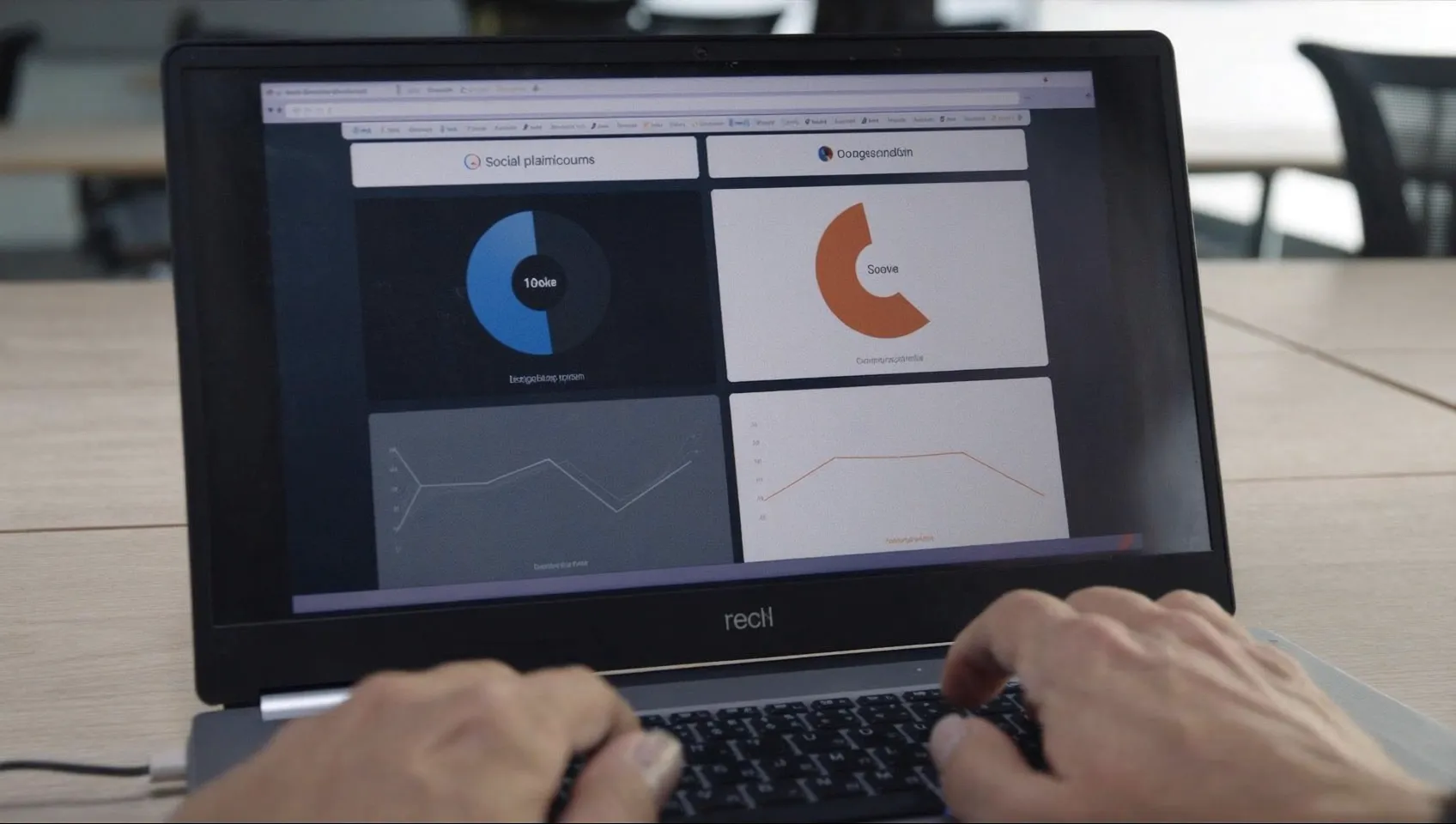
Can Reels Or Shorts Make Money
Money is where these two platforms genuinely part ways. Meta ended its Reels Play Bonus program for creators in 2023, and Instagram now leans on brand partnerships and shopping features rather than a direct per-view payout for Reels.
YouTube took the opposite path. Through the YouTube Partner Program, a channel with 1,000 subscribers and either 4,000 watch hours from long-form video in the past year, or 10 million valid Shorts views in the past 90 days, can apply for ad revenue sharing directly from Shorts. This means YouTube Shorts can offset production costs in a way Instagram Reels currently cannot, though most businesses reading an Instagram Reels vs YouTube Shorts for business comparison still care more about customer acquisition than ad revenue.
Instagram Reels Download App Without Watermark
Business teams often need the same clip on both platforms, and that is where an Instagram Reels download app without watermark becomes useful for any Instagram Reels vs YouTube Shorts for business workflow. The safest method is exporting your original file straight from your camera roll or editing software before you upload it to Instagram, since a file exported this way never picks up a watermark to begin with.
When only the posted version is available, browser-based tools such as Wondershare, EaseMate, and Fotor's online watermark remover can strip a visible watermark from a downloaded clip. Always confirm you own the footage before using an Instagram Reels download app without watermark on someone else's content, since republishing another creator's video without permission breaks policy on every major platform.
How Instagram Reels Download Application Works
Most versions of an Instagram Reels download application work the same basic way. You paste the Reel's public link into the tool, the service pulls the file directly from Instagram's servers, and you receive an MP4 back, sometimes with the option to strip the watermark in that same step. Business accounts posting their own content can usually skip this step, since Instagram's native "Save" option already keeps a clean copy of anything uploaded.
For repurposing older Reels you no longer have saved locally, a reputable Instagram Reels download application saves real time compared to re-filming a clip from scratch, particularly for seasonal or evergreen content worth reposting as a YouTube Shorts video months later. This single habit is one of the cheapest wins inside Instagram Reels vs YouTube Shorts for business planning.
Best YouTube Shorts Download App Picks
A YouTube Shorts download app follows a similar pattern to Instagram tools, pulling the public video file from a Shorts URL for offline use or repurposing. Since YouTube already stores uploads in Creator Studio at full quality, a business channel rarely needs a third-party tool for its own content, mostly just for competitive research or approved collaborations.
When a download tool is genuinely needed, prioritize ones that process video without demanding excessive account permissions, and avoid any YouTube Shorts download app that asks for login credentials directly rather than working from a public link alone.
Which Videos Should Your Business Post
The format matters less than the content decision behind it, and this is where Instagram Reels vs YouTube Shorts for business stops being theoretical. Product demonstrations, quick tutorials, behind-the-scenes clips, and customer testimonials all translate well to both formats, with only minor pacing changes needed between the two.
Educational content built around a specific question tends to perform better as a YouTube Shorts video, since YouTube's search indexing keeps surfacing it long after publish day. Trend-driven or visually striking content tends to earn faster early engagement as an Instagram Reels video, since Instagram's discovery feed rewards a strong first three seconds more aggressively.
Mistakes That Quietly Cost Your Business
- Posting the exact same file to both platforms without adjusting captions or hashtags — Instagram relies on hashtags and caption text, while YouTube leans on title and description for search matching.
- Ignoring on-screen captions, since a large share of viewers watch with sound off and a video without burned-in text loses its message fast.
- Treating either platform as a one-time experiment instead of a weekly habit.
- Skipping performance data entirely, repeating the same mistakes every month without noticing.
Real Businesses Winning With Short Video
A neighborhood bakery in Pune grew weekend walk-ins largely through fifteen-second Reels showing the actual baking process each morning, filmed on a phone propped against a flour bag rather than a tripod. This is Instagram Reels vs YouTube Shorts for business working in the real world, not a spreadsheet, and the unpolished footage consistently outperformed the bakery's paid ad creative in saves and shares.
A regional home services company took a different approach, turning short customer walkthroughs into YouTube Shorts video with clear, searchable titles like "how to fix a leaking tap fast." Those clips kept earning views for months, since people searching that exact question on YouTube kept finding the channel long after the posting week ended. Neither business needed a studio budget, just a consistent filming habit and a format matched to the goal.
How Rass E-Vision Builds Winning Video
Rass E-Vision helps businesses decide this exact question every week, mapping which platform deserves priority based on the actual customer path rather than a generic template. Our content creation services handle scripting and messaging for both formats, while our video editing services manage platform-specific exports, captions, and watermark-free repurposing between Reels and Shorts.
Distribution and scheduling for both formats run through our social media management services, and brands running paid campaigns alongside organic posting typically pair that with our social media marketing services for ad placement across both platforms. For a consistent visual identity across every thumbnail and cover frame, our branding and creative design services keep that look locked in from the first upload onward.
FAQ
Is Instagram Reels Better Than Shorts?
Neither format wins outright. It usually comes down to your goal. Reels suit fast product discovery and shopping, while Shorts suit searchable, evergreen content and channels building toward ad revenue.
How Long Can Reels Run?
Instagram Reels can run up to 3 minutes, though 15 to 30 seconds still earns the strongest completion rates for most business content.
How Long Can Shorts Run?
YouTube Shorts can also run up to 3 minutes, after YouTube raised the limit from 60 seconds.
Does Posting Both Platforms Help?
Yes. Running both side by side, with the same core video adjusted for each platform's captions and hashtags, roughly doubles your discovery surface without doubling your filming workload.
Which Platform Pays Creators More?
YouTube Shorts currently offers direct ad revenue sharing through the YouTube Partner Program, while Instagram Reels monetization relies mainly on brand deals and shopping features.
Can I Repost Reels As Shorts?
Yes, as long as you own the footage. Export your original file before Instagram adds any watermark, or use a trusted download app without watermark if only the posted version is available.
Do I Need Different Content?
Not entirely different, but different framing helps. The same filming session can produce both formats with small changes to caption, title, and on-screen hook.
Which Platform Should Beginners Start?
Start wherever your existing customers already spend time. A retail brand with an active Instagram following should start with Reels, while a business answering common customer questions should lean toward Shorts first.
Choose Your Platform Starting Today
Instagram Reels vs YouTube Shorts for business is not a decision you make once and forget. It is a habit built around whichever platform matches your customer's actual behavior, then revisited every few months as reach and features shift. Start with one platform, post consistently for a month, and let real watch time guide your next move rather than a gut feeling.
Rass E-Vision works with businesses at every stage of this decision, from a first fifteen-second Reel to a full cross-platform calendar. Visit our About Us page to see how we have helped other brands make this same call.
Get In Touch