
Most business owners use "brand identity" and "brand image" as if they mean the same thing, and honestly, that mix-up rarely causes a problem until a rebrand or a new website is on the table. That is exactly when the difference starts to matter.
Brand identity is what a business controls and designs on purpose, its name, logo, color palette, typography, and voice, while brand image is what actually forms in a customer's mind after they interact with the business, shaped by product quality, service, reviews, and word of mouth as much as by the identity itself.
Understanding both matters most right before a design decision gets made. Get this distinction clear early, and every choice that follows gets easier to evaluate against a real standard instead of personal taste alone.
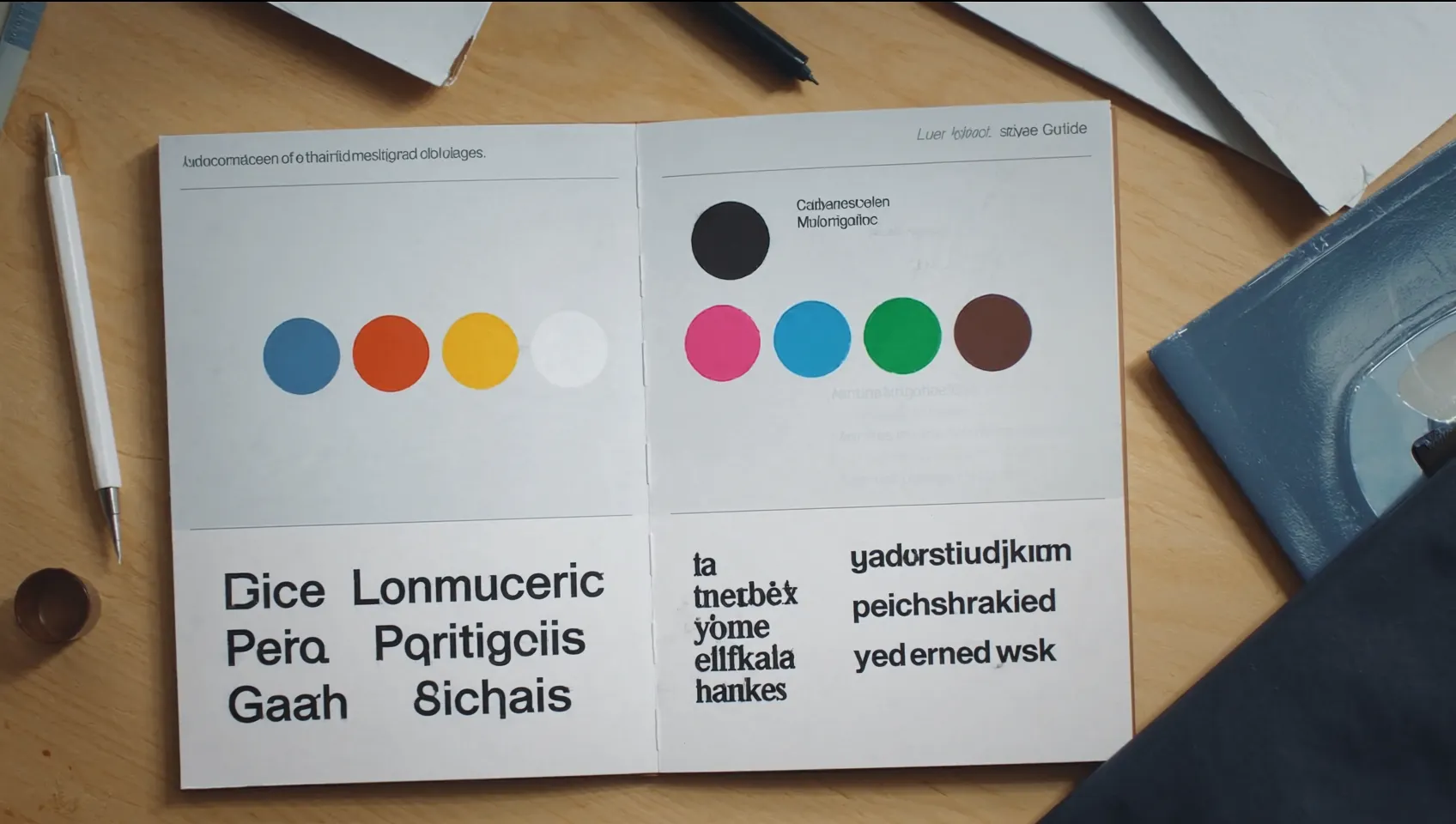
What Is Brand Identity Exactly
Brand identity is the set of visual and verbal elements a business chooses and controls to represent itself. The American Marketing Association defines it directly, describing brand identity as the visual and symbolic elements that represent a brand, including name, logo, color scheme, typography, and design elements that create a recognizable image consumers can identify with.
That definition covers more ground than most people expect. A logo is only one piece. Brand identity also includes your color palette, the fonts used across your website and marketing, the tone of voice in your emails and social captions, and the physical or digital touchpoints where all of it shows up consistently.
Every one of those choices is deliberate. Nothing about brand identity depends on how a customer actually reacts. It is the plan, not the outcome.
What Is Brand Image Exactly
Brand image is the impression that actually exists in a customer's mind, built from every interaction they have had with a business, not just the parts the business designed on purpose. A polished logo contributes to that impression. So does a late delivery, a rude support call, a five star review, or a friend's offhand comment over dinner.
This is the part that catches business owners off guard. Brand image is not something a company designs directly. It is something a company influences, sometimes strongly and sometimes barely at all, through everything from product quality to how a complaint gets handled.
Edelman's 2026 Trust Barometer special report on brands puts this plainly, noting that when it comes to building trust, what others who are not paid by the brand say about it matters far more than what the brand says about itself.
Why This Distinction Actually Matters
Confusing the two leads to a specific, avoidable mistake. Businesses sink budget into a beautiful new identity and expect the brand image to shift automatically along with it. Sometimes it does. Often it does not, because the identity update never touched the actual experiences shaping how customers feel.
There is a financial case here too. Lucidpress's State of Brand Consistency research, based on a survey of over 200 organizations, found that companies presenting their brand consistently across every channel see revenue increase by an average of 33 percent compared to businesses with inconsistent branding.
Five Ways The Two Differ
| Factor | Brand Identity | Brand Image |
|---|---|---|
| Who controls it | Controlled entirely by the business | Influenced by the business, shaped by customers and outside events |
| Where it lives | Style guides, logo files, brand guidelines | Reviews, word of mouth, social media mentions |
| How fast it changes | Can change overnight with a new logo file | Shifts slowly, built up over many real interactions |
| What it costs to fix | A design and development cost with defined scope | Usually costs more, requires fixing underlying issues |
| How you measure it | Checked against a style guide for consistency | Measured through reviews, surveys, social sentiment |
How Brand Identity Gets Built
A strong brand identity starts with strategy, not a logo file. The real starting point is a clear sense of what the business stands for, who it serves, and how it wants to be different from competitors, before a single visual decision gets made.
RASS E-Vision structures its own branding and creative design services around exactly this sequence, deep discovery first, then a documented set of brand guidelines, followed by a full visual rollout across every touchpoint a business actually uses.
How Brand Image Actually Forms
Brand image forms through accumulation, not a single campaign or launch moment. Every purchase, every support interaction, every social media reply, and every review adds another small data point to the picture a customer is building in their head.
Some of these moments carry more weight than others. A single bad experience during an important purchase can outweigh months of consistent, well-designed marketing. Neither outcome shows up in a brand guidelines document, yet both shape the image far more than the logo ever will.
When Identity And Image Diverge
A gap between identity and image usually shows up in one of two patterns. The first is a business with an outdated or inconsistent identity sitting on top of a genuinely strong reputation. The fix here is straightforward, modernize the identity without touching what is already working underneath it.
The second pattern is more painful, a polished, expensive identity sitting on top of a shaky reputation. No amount of logo refinement closes that gap, since the identity was never the problem in the first place.
Real Examples Worth Learning From
A regional bakery chain spent years building a loyal following purely on product quality and friendly service, while its identity stayed stuck in a cluttered, homemade looking logo. A focused identity refresh, one logo, one palette, consistent signage, gave that existing goodwill a visual system that finally matched it.
A software startup took the opposite path. It launched with a genuinely polished identity, but customer support response times were slow and onboarding was confusing. Within a year, reviews and word of mouth had built a brand image built entirely around that gap rather than the polish of the visual system.

Closing The Gap Between Them
Closing a gap between identity and image starts with being honest about which side is actually weak. Pull together real customer reviews, support tickets, and any informal feedback the team already hears regularly, and read through it looking for patterns rather than isolated complaints.
If the identity is the weak point, a proper branding project closes that gap directly. If the experience is the weak point, identity work still matters eventually, but it should follow fixes to the actual product, service, or communication issues, not precede them.
Common Mistakes Businesses Make Here
- Assuming a rebrand fixes a reputation problem, when a new logo does not resolve slow shipping or poor support.
- Skipping brand guidelines after a redesign, letting a fresh identity drift within months.
- Ignoring existing customer sentiment before rebranding, risking a fix for a problem that was never about the visuals.
- Treating brand image as unmeasurable, when reviews and repeat purchase rates provide real, trackable signals.
- Changing identity elements too often, undermining the recognition consistency is specifically built to create.
A Simple Way To Audit
List every visual and verbal element currently representing your business, logo, colors, fonts, voice, and note anywhere it appears inconsistently. Separately, gather recent reviews, support feedback, and word of mouth, and read through it for genuine patterns.
How This Connects To Websites
A website is where brand identity and brand image collide most visibly, since it is often the single place a business has the most direct control over both at once. Our complete guide on website design services covers what a properly built site actually requires to support both sides of this equation.
Businesses working through a full rebrand often benefit from tackling the website and the identity together. Our guide on how to choose a web design company walks through exactly how to vet a partner capable of handling both pieces well.
FAQ
Main Difference Between Identity And Image?
Identity is what a business designs and controls on purpose, its logo, colors, and voice, while image is the actual impression customers form based on their real experiences.
Can A Business Have Strong Image, Weak Identity?
Yes. A business can build genuine trust and loyalty through excellent service even with an inconsistent or dated visual identity.
Does Rebranding Improve Brand Image?
No, not automatically. It only improves brand image if the underlying product, service, and customer experience genuinely support the new look.
How Do You Measure Brand Image?
Through customer reviews, repeat purchase rates, referral rates, social media sentiment, and direct customer surveys.
Why Does Brand Consistency Matter?
Consistent presentation across every channel builds recognition faster, with research finding companies with consistent branding see revenue increase by an average of 33 percent.
Is Brand Identity The Same As Branding?
Not quite. Branding is the broader ongoing process of building reputation and market position, while identity refers specifically to the visual and verbal elements.
Should A Small Business Worry About Image Early?
Yes, since brand image starts forming from the very first customer interaction, whether or not a business has designed anything yet.
What Should Come First?
It depends on which is weaker. A business with a strong reputation but inconsistent visuals should prioritize identity work, while a business with real service issues should fix those first.
Building Both Sides On Purpose
Brand identity and brand image are not competing priorities. They are two different halves of the same reputation, one built deliberately through design choices, the other built gradually through everything a customer actually experiences.
If your business is weighing a rebrand, a new logo, or a website that finally matches the reputation you have already built, RASS E-Vision pairs branding and creative design services with website design services, built around the same discovery-first approach covered throughout this guide.
Book a Free Consultation