
3D Modelling
High Quality 3D Modeling & Visualization Services
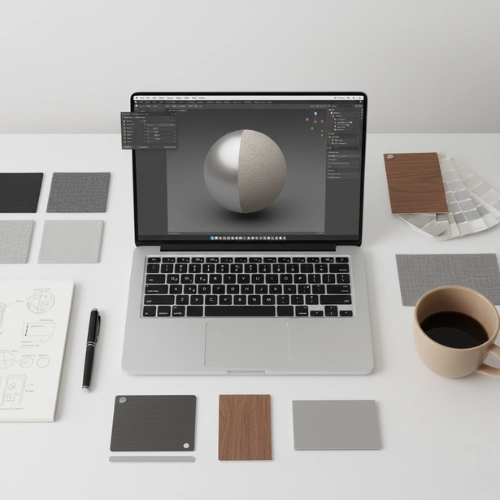
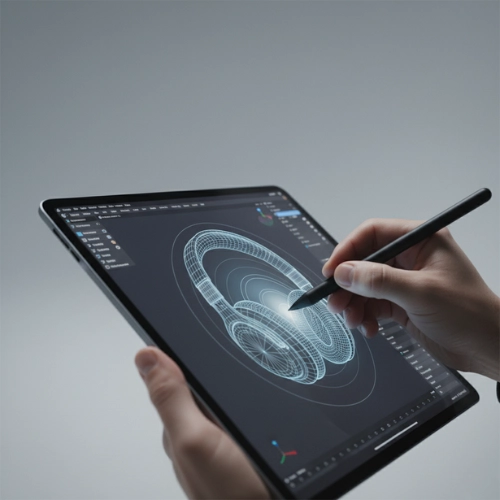
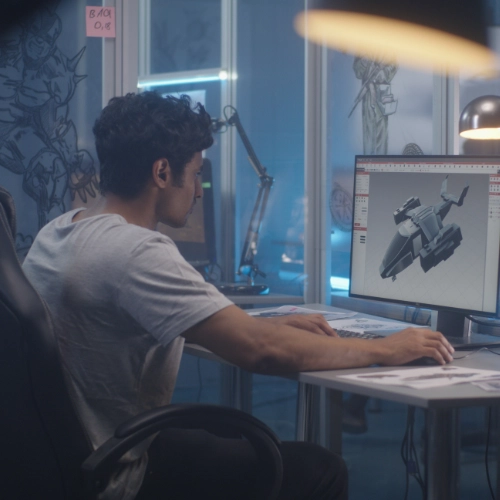
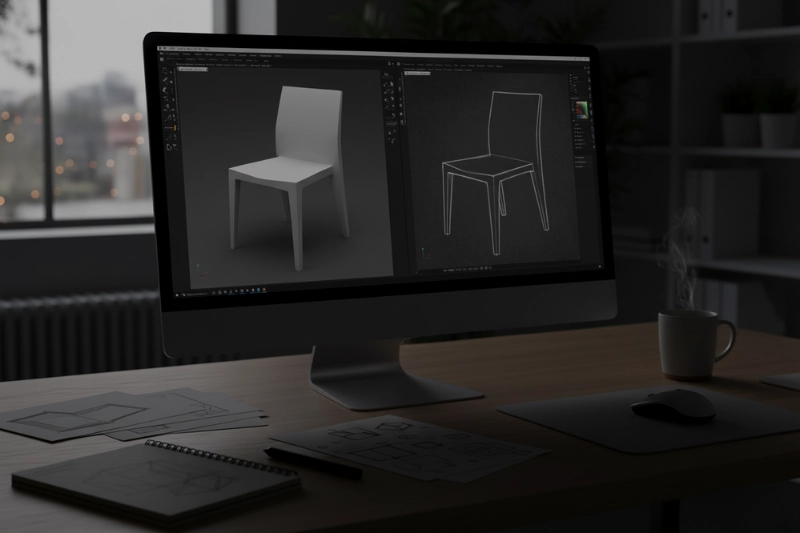
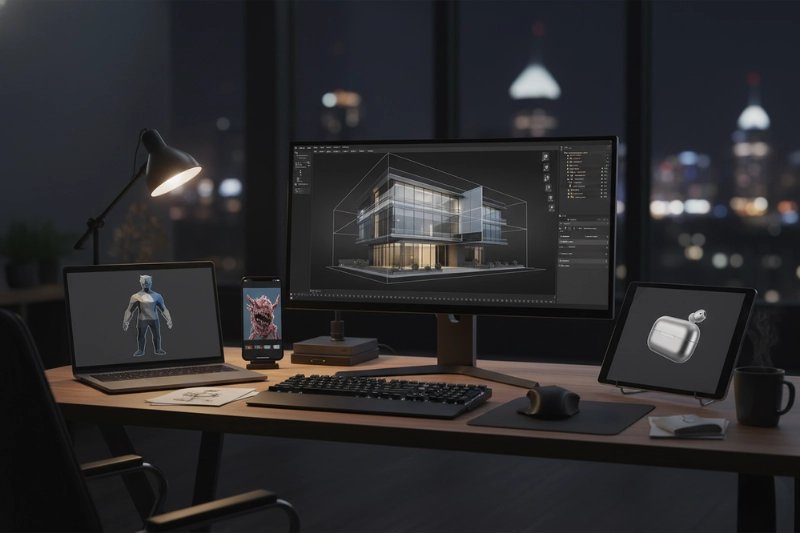
High quality 3D modeling and visualization services give businesses the ability to showcase ideas with clarity, precision, and visual impact. Whether you’re presenting an architectural concept, designing a new product, or building assets for film or gaming, the right 3D visuals make your vision instantly understandable. Instead of relying on sketches or rough descriptions, you can share detailed, lifelike representations that highlight form, texture, scale, and function from every angle.
3D Modelling
High Quality 3D Modeling & Visualization Services
High quality 3D modeling and visualization services give businesses the ability to showcase ideas with clarity, precision, and visual impact.Â

Photorealistic Rendering Models
Generate ultra-realistic visuals crafted to impress, using refined textures, lighting, and composition.

Architectural Interior Modelling
Create detailed, realistic interior spaces that showcase structure, layout, and design with clarity and visual impact.

Lighting & Material Modelling
Design lifelike lighting and surface materials that elevate mood, realism, and the overall visual experience.

Furniture & Asset Modelling
Build high quality 3D objects that enhance interior scenes and bring spaces to life with accurate detail and style.

Interior Walkthrough / Animation Modelling
Produce smooth, immersive virtual tours that help clients explore spaces and visualize designs with ease.

Environmental & Space Optimization Modelling
Develop smart, efficient spatial layouts that improve functionality and flow while enhancing overall design quality.
Benefits of 3D Modeling in Modern Design
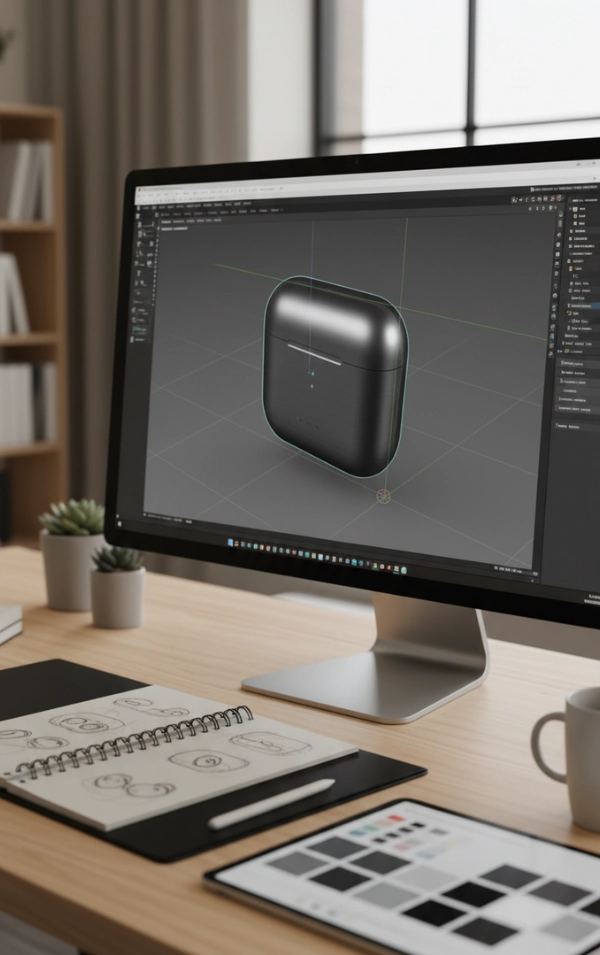
The true value of 3D modeling lies in the clarity it brings to the creative process. Designers no longer rely on guesswork or abstract sketches every concept becomes something you can rotate, examine, and refine before committing time or resources. This early visibility reduces mistakes, cuts production costs, and helps teams make decisions with confidence. Clients understand ideas faster, collaborations improve, and feedback becomes more meaningful because everyone is looking at the same accurate representation.
Â
3D modeling also opens the door to rapid experimentation. You can test multiple versions of a design, explore different textures or materials, and visualize how an object behaves in real-world conditions. Whether the goal is precision, speed, or creative freedom, 3D modeling creates a smoother workflow from the first spark of an idea to the final execution.

Photorealistic Rendering Models

Architectural Interior Modelling

Lighting & Material Modelling

Furniture & Asset Modelling

Interior Walkthrough / Animation Modelling

Environmental & Space Optimization Modelling
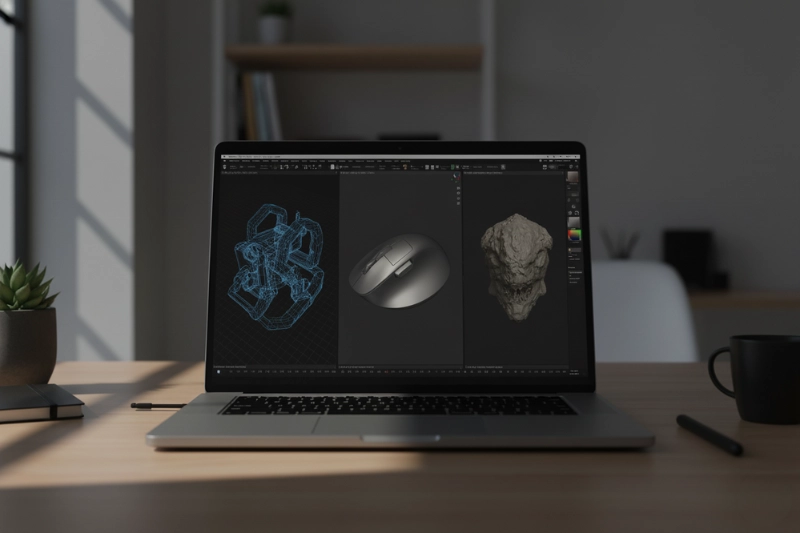
Benefits of 3D Modeling in Modern Design
3D modeling also opens the door to rapid experimentation. You can test multiple versions of a design, explore different textures or materials, and visualize how an object behaves in real-world conditions. Whether the goal is precision, speed, or creative freedom, 3D modeling creates a smoother workflow from the first spark of an idea to the final execution.
Types of 3D Modeling You’ll Find in Professional Workflows
Polygonal Modeling
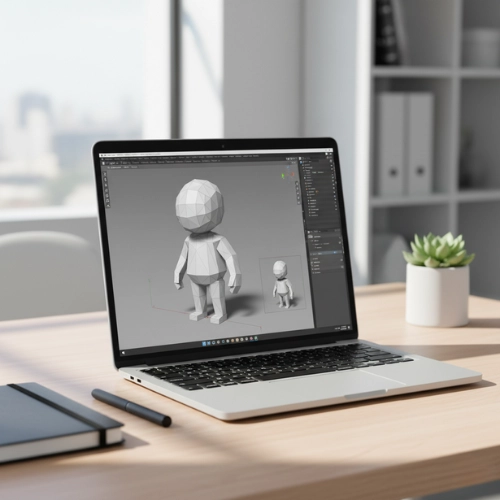
The most commonly used method for games and animation, offering flexible control to create characters, props, and detailed environments.
NURBS Modeling
Ideal for smooth, precise, mathematically accurate surfaces perfect for cars, electronics, and industrial product design.
Sculpting
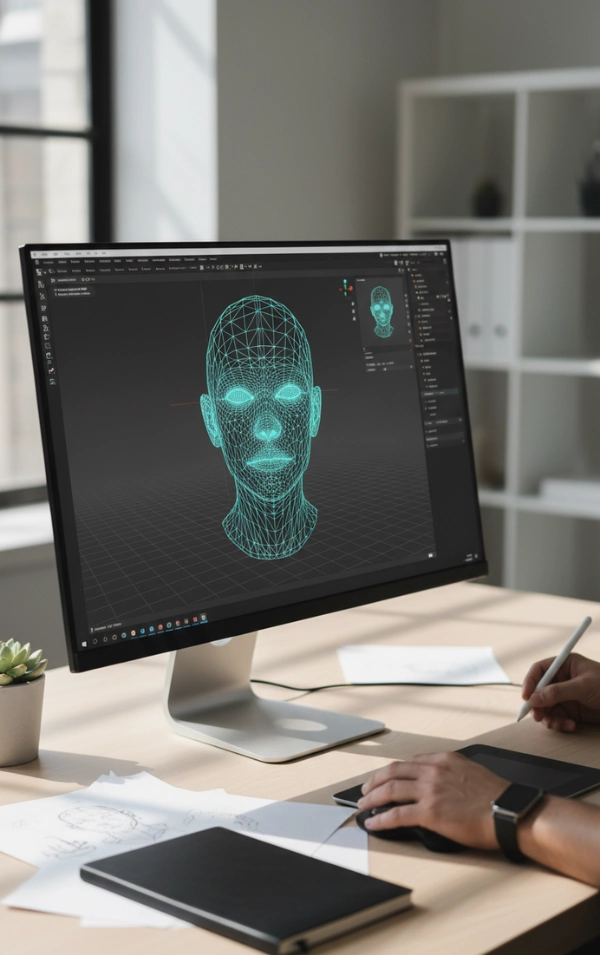
Best for organic forms, allowing artists to shape lifelike faces, creatures, fabrics, and fine details with natural fluidity.
Procedural Modeling
Uses rules and algorithms to generate complex structures like buildings or terrains, making it great for large scale, repeatable designs.
Types of 3D Modeling You’ll Find in Professional Workflows
Polygonal Modeling
The most commonly used method for games and animation, offering flexible control to create characters, props, and detailed environments.
NURBS Modeling
Ideal for smooth, precise, mathematically accurate surfaces perfect for cars, electronics, and industrial product design.
Sculpting
Best for organic forms, allowing artists to shape lifelike faces, creatures, fabrics, and fine details with natural fluidity.
Procedural Modeling
Uses rules and algorithms to generate complex structures like buildings or terrains, making it great for large scale, repeatable designs.
From architecture to gaming, visualize ideas
with precision and imagination
Tools Used in 3D Modeling
The world of 3D modeling is powered by a diverse range of software, each built to handle specific needs across architecture, gaming, and product design. Tools like Blender, Maya, and 3ds Max dominate the creative space, offering artists a powerful mix of sculpting, animation, and rendering capabilities. They’re widely used in gaming and visual effects because they strike the perfect balance between artistic freedom and technical depth.
Future Trends in 3D Visualization
Another major trend is the integration of AR and VR into design workflows. Architects are using VR walkthroughs to help clients experience buildings before ground is even broken. Product designers are creating AR previews to let customers place digital versions of products in their real environments. This level of interactivity is reshaping expectations and raising the standard for visual communication.
The Ultimate Guide to 3D Modeling for Architecture,
Gaming & Product Design
3D modeling has become the creative engine behind some of the most impressive work in architecture, gaming, and product design. While each industry uses it differently, the goal remains the same turn ideas into something you can see, evaluate, and refine long before it reaches the real world. What makes 3D modeling so powerful is its ability to merge imagination with precision, giving teams the freedom to explore possibilities without the cost or constraints of physical production.
Â
Gaming takes 3D modeling in a completely different direction here, creativity and immersion take center stage. Characters, landscapes, weapons, vehicles, and even entire worlds are shaped through a mix of artistic vision and technical design.
3D Modeling Techniques You Must Know
3D modeling may seem like a single skill, but it’s actually a collection of techniques each designed to solve different creative and technical challenges. Understanding these methods gives designers more control, more flexibility, and the ability to choose the right approach for the project at hand.
Â
One of the most widely used techniques is polygonal modeling, the foundation of most gaming and animation workflows. Artists build models using vertices, edges, and faces, shaping them into characters, props, or environments with remarkable precision. It’s a method that rewards both creativity and discipline, offering complete control over structure and detail.
From architecture to gaming, visualize ideas
with precision and imagination
Tools Used in 3D Modeling
The world of 3D modeling is powered by a diverse range of software, each built to handle specific needs across architecture, gaming, and product design.Â
Future Trends in 3D Visualization
Another major trend is the integration of AR and VR into design workflows. Architects are using VR walkthroughs to help clients experience buildings before ground is even broken.Â
The Ultimate Guide to 3D Modeling for Architecture,
Gaming & Product Design
3D modeling has become the creative engine behind some of the most impressive work in architecture, gaming, and product design. While each industry uses it differently, the goal remains the same turn ideas into something you can see, evaluate, and refine long before it reaches the real world.
3D Modeling Techniques You Must Know
3D modeling may seem like a single skill, but it’s actually a collection of techniques each designed to solve different creative and technical challenges. Understanding these methods gives designers more control, more flexibility, and the ability to choose the right approach for the project at hand.
Why 3D Modeling Matters
3D modeling matters because it turns ideas into something you can actually see, understand, and refine. Instead of relying on sketches or abstract descriptions, designers can build clear, realistic visuals that reveal every angle, proportion, and detail of a concept. This level of clarity removes guesswork and helps teams make smarter decisions early, long before a project becomes expensive to change.
Â
3D modeling is equally important from a communication standpoint. Clients understand ideas faster, stakeholders collaborate more effectively, and feedback becomes far more meaningful when everyone is looking at a precise visual rather than imagining their own version of it. This shared clarity reduces confusion and brings projects to completion with fewer revisions.
Why 3D Modeling Matters
3D modeling is equally important from a communication standpoint. Clients understand ideas faster, stakeholders collaborate more effectively, and feedback becomes far more meaningful when everyone is looking at a precise visual rather than imagining their own version of it. This shared clarity reduces confusion and brings projects to completion with fewer revisions.
Top Uses of 3D Modeling in Film,
Gaming, Architecture & Product Design
Film Visual Effects & Worldbuilding
3D modeling helps create characters, environments, and scenes that go beyond real world limitations, making cinematic worlds more imaginative and believable.
Game Characters & Environments
Every in game element from heroes to landscapes starts as a 3D model, shaping the depth, style, and immersive feel of modern games.
Realistic Creature & Asset Creation
Detailed models allow films and games to feature lifelike creatures, props, and objects that move and interact naturally on screen.
Complex Scene & Environment Design
Large scale digital worlds, including cities, terrains, and fantasy realms, are built using 3D models to ensure consistency, performance, and visual impact.
Top Uses of 3D Modeling in Film,
Gaming, Architecture & Product Design
Film Visual Effects & Worldbuilding
3D modeling helps create characters, environments, and scenes that go beyond real world limitations, making cinematic worlds more imaginative and believable.
Complex Scene & Environment Design
Large scale digital worlds, including cities, terrains, and fantasy realms, are built using 3D models to ensure consistency, performance, and visual impact.
Game Characters & Environments
Every in game element from heroes to landscapes starts as a 3D model, shaping the depth, style, and immersive feel of modern games.
Realistic Creature & Asset Creation
Detailed models allow films and games to feature lifelike creatures, props, and objects that move and interact naturally on screen.
FAQS
3D modeling is the process of creating digital objects that look and behave like real ones. It’s important because it removes guesswork designers, clients, and teams can see ideas clearly, test variations, and make decisions with confidence before production begins.
Modeling is about building the shape and structure of an object. Rendering is what happens after the model is complete it adds lighting, textures, shadows, and camera angles to produce a final realistic image or animation. Modeling creates the object; rendering brings it to life.
3D modeling is widely used in architecture, gaming, film, product design, real estate, advertising, engineering, and manufacturing. Anywhere visual clarity or digital prototyping is needed, 3D modeling becomes essential.
The most common techniques include polygonal modeling, NURBS modeling, sculpting, and procedural modeling. Each has its strengths polygons for games, NURBS for precision products, sculpting for organic detail, and procedural methods for large-scale environments.
Because it turns plans into immersive visual experiences. Clients can walk through a space, understand proportions, and see materials and lighting in a realistic way leading to faster approvals and fewer design mistakes.
Every character, weapon, prop, and environment in a game starts as a 3D model. It defines how the asset looks, how it animates, and how it performs inside the game engine, directly affecting gameplay quality and immersion.
FAQS
3D modeling is the process of creating digital objects that look and behave like real ones. It’s important because it removes guesswork designers, clients, and teams can see ideas clearly, test variations, and make decisions with confidence before production begins.
Modeling is about building the shape and structure of an object. Rendering is what happens after the model is complete it adds lighting, textures, shadows, and camera angles to produce a final realistic image or animation. Modeling creates the object; rendering brings it to life.
3D modeling is widely used in architecture, gaming, film, product design, real estate, advertising, engineering, and manufacturing. Anywhere visual clarity or digital prototyping is needed, 3D modeling becomes essential.
The most common techniques include polygonal modeling, NURBS modeling, sculpting, and procedural modeling. Each has its strengths polygons for games, NURBS for precision products, sculpting for organic detail, and procedural methods for large-scale environments.
Because it turns plans into immersive visual experiences. Clients can walk through a space, understand proportions, and see materials and lighting in a realistic way leading to faster approvals and fewer design mistakes.
Every character, weapon, prop, and environment in a game starts as a 3D model. It defines how the asset looks, how it animates, and how it performs inside the game engine, directly affecting gameplay quality and immersion.